From Initial Playback to Returning Viewers: Developing a Branded OTT Service Around Audience Needs
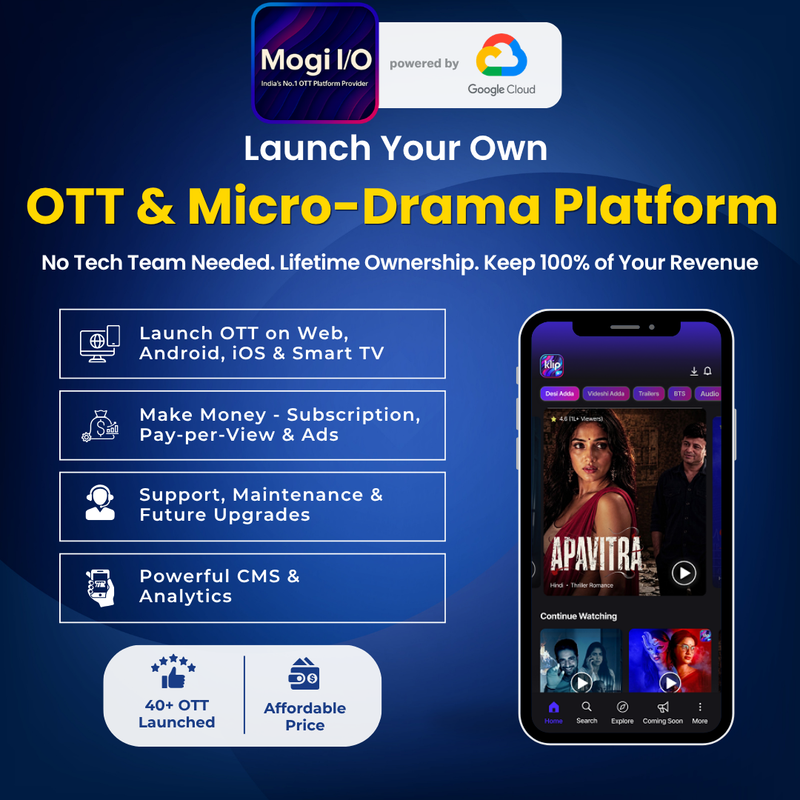
A streaming service is often judged by its catalogue, but viewers experience much more than the videos themselves. They move through account creation, content discovery, programme selection, video playback and the decision to return. Every stage can either encourage further engagement or give them a reason to abandon the service. For organisations building their own branded streaming platform, considering the full audience experience is equally important as selecting the technical infrastructure.
A white label solution can provide an existing foundation for delivering content under an organisation’s own identity. Nevertheless, access to streaming software alone does not guarantee a practical service. The real challenge is matching platform capabilities to audience expectations, content operations and financial constraints. A practical approach starts with the viewer’s needs and works backwards towards the infrastructure required to support them.
Define the Viewing Need Before Choosing Features
Prior to selecting technology, identify the reasons an audience would prefer the proposed streaming service. People using an educational service may prefer organised lessons they can continue without difficulty. Audiences interested in regional entertainment may appreciate content in familiar languages and a thoughtfully curated library. People watching a live competition may place the greatest importance on reliable viewing at the scheduled time.
These audience requirements shape virtually every aspect of the service. A searchable lesson library needs different organisation from a schedule of live events. Brief mobile-focused episodes lead to different content-discovery expectations than long documentaries. Functionality should reflect genuine audience needs rather than expand merely to match the features available elsewhere.
A sensible initial exercise involves mapping out an ordinary viewer's session. Examine what attracts the audience, what viewers anticipate finding and what would make their time on the service rewarding. The exercise establishes clear criteria for comparing video platform options and identifying which functions should appear in the initial launch.
Understand Where Video Hosting Ends and OTT Begins
When companies want to understand what an OTT platform actually is, they generally want to distinguish a fully developed streaming service from basic video publishing. OTT means over-the-top delivery: content is delivered to audiences over the internet instead of conventional cable or satellite networks.
Video hosting provides the storage and delivery foundation. Some providers also offer video processing, embeddable players and content administration tools. A complete OTT platform combines video distribution with viewer accounts, content discovery, access permissions, branded apps and payment functionality.
Understanding this difference is important because organisations have varying infrastructure requirements. A company sharing training videos occasionally may not require a separate entertainment-focused app. A business selling access to video content may need a considerably more developed customer journey. Selecting the appropriate approach begins by examining how the content, audience and provider are expected to interact.
Simplify the First Viewing Experience
A new viewer should understand the service before investing significant effort in it. Clear content descriptions, useful categories and straightforward access information help establish what is available. Confusing labels or unclear payment conditions can interrupt that process before playback begins.
Evaluate the amount of information genuinely necessary during registration. Any further registration requirement should have a practical reason. Where accounts are necessary, the journey should explain what the viewer gains and what happens next. Payment-based viewing should present the offer clearly, including the access period and applicable limitations.
The initial viewing experience should also provide an obvious next step. New subscribers can experience uncertainty when the opening screen appears empty or the available programmes are difficult to recognise. Relevant editorial recommendations, clearly identified categories and precise descriptions can improve content discovery. These choices involve editorial judgement and user experience design, not just technical development, and they deserve attention before the service opens to a wider audience.
Check Streaming Performance Beyond Ideal Test Environments
A smooth presentation using high-speed internet shows only one aspect of actual playback. Viewers might use ageing smartphones, internet connections shared with family members or devices with restricted processing power. Testing procedures should account for the real-world environments in which the audience is expected to watch.
Adaptive bitrate technology can adjust video quality according to changes in connection performance, although the feature itself cannot guarantee acceptable playback performance. The business should assess how quickly videos start, how often interruptions occur and whether picture quality remains appropriate for the material. An educational presentation featuring small written details may demand greater visual clarity than a straightforward video of someone speaking.
Real-time viewing requires additional preparation because technical issues may affect viewers immediately. Rehearsals should include the production feed, access controls and viewer playback. Testing the complete delivery path helps identify weaknesses that would remain hidden if each component were assessed separately.
Create a Clear and Consistent Video Library
Managing content structure becomes increasingly complex as the video collection expands. Smaller video collections can often be arranged using simple categories, but expanding services require consistent naming, descriptive information, language identification and clear links between programmes or lessons.
Content management becomes more straightforward when editorial standards are established early. Determine naming and description conventions for programme series, seasons, episodes and standalone recordings. Assign responsibility for reviewing thumbnails, captions and release dates. Inconsistent content details may make worthwhile programmes harder to locate even if the platform's search tools operate properly.
An online video app should also help viewers continue what they started. Based on audience requirements, helpful features may include progress tracking, bookmarked programmes or episodes presented in the correct sequence. Maintaining viewing continuity is the main objective: someone returning after several days should be able to recognise their place and choose the next useful item without reconstructing their previous session.
Align Viewing Payment Options with the Value of the Catalogue
Some content providers benefit from recurring subscriptions, but this approach may not fit every new service. A library that receives regular additions may justify a continuing membership arrangement. A specialist event may be easier to explain through a single purchase. Educational material might be sold as a defined collection rather than unrestricted access to everything.
An advertising-supported approach brings additional considerations. The business must consider whether interruptions fit the viewing experience and whether its operational arrangements support the proposed model. A mixture of advertisements and paid subscriptions can lead to uncertainty when the benefits and limitations of each option are unclear.
A white label SaaS product should be assessed against the intended commercial structure before selection. Check whether the platform accommodates the intended purchasing methods, access timeframes and account-level permissions. Equally, consider how failed payments, cancellations and refunds will be handled. Such routine issues affect customer confidence and administrative demands, despite often attracting less attention than the checkout interface.
Translate Platform Pricing into Real Viewing Costs
A platform subscription is only one part of operating expenditure. Storage, video processing, delivery traffic, application maintenance and other services may be charged separately or included within defined allowances. Looking only at the displayed price while ignoring usage allowances can create an unrealistic picture of total costs.
Build a few realistic operating scenarios. One example may assume a compact video collection with moderate viewing demand. Another could assume longer sessions or a significant increase in simultaneous viewers. Live programming may produce a peak in simultaneous delivery requirements that is very different from regular recorded-video viewing.
The purpose is to recognise which usage patterns make expenditure increase or decrease. Ask how usage is measured, which activities generate charges and what happens when allowances are exceeded. A free OTT platform or basic subscription tier can be useful for initial testing, although its value depends on the project's needs. Long-term cost planning should link anticipated viewing patterns with the complete operational budget rather than assuming platform fees represent all expenditure.
Separate Visual Branding from Platform Management Control
Replacing a logo and adjusting colours may create a recognisable appearance, but branding flexibility does not necessarily provide control over every part of the service. Businesses should examine which screens, features and workflows can be changed, and which depend on the provider’s standard product.
The ownership of applications and the process for publishing updates also need examination. Clarify which party handles new versions, how changes are submitted and who responds to problems affecting particular devices. The usefulness of a white label platform is influenced by how effectively operational duties are assigned between the business and its provider.
The same applies to audience information. Establish which viewer records are available to the organisation, what export options exist and whether connected systems support its workflows. These questions help distinguish a service that looks independent from one that also supports the organisation’s day-to-day management requirements. Both appearance and control matter, but they should be evaluated separately.
Design Content Access According to Licensing Requirements
Businesses operating streaming platforms need clear knowledge of their authorised distribution rights. Licensing conditions may depend on location, viewing timeframes, device classifications and the commercial purpose of distribution. The selected technology needs to accommodate the access limitations applying to the content library.
Account authentication, viewing permissions and content protection perform related but different jobs. A successful account does not always grant the white label saas right to view every item in the catalogue. Similarly, making a payment might authorise viewing for a limited duration. Such differences need to be represented clearly throughout the audience journey.
Businesses should maintain realistic assumptions about what content protection can achieve. Security controls can regulate viewing and limit some types of misuse, yet an individual tool cannot entirely prevent unauthorised duplication. An effective approach balances available protection features with licensing commitments while maintaining a manageable experience for legitimate viewers. Unnecessary obstacles can damage the audience experience that the service is designed to create.
Consider Major Streaming Platforms Without Copying Their Entire Approach
A service with a defined audience may differentiate itself through its content choices, specialist understanding or availability of less accessible material. Its advantage might be a well-organised professional library, carefully sequenced learning content or programming for a particular language community. These advantages should guide product development.
Copying visible features without understanding their purpose can increase complexity. Automated suggestions provide limited benefit if viewers cannot understand the main content categories. Additional device applications may contribute little if the audience primarily watches on phones. Major platforms provide examples of established viewing habits, but the first release should be shaped by its target audience and the resources available to operate it.
Introduce a Manageable Streaming Service with Clear Ownership of Tasks
A controlled launch allows the business to observe real behaviour while the service remains manageable. The first release should support a complete viewing journey, even if the catalogue and device coverage are limited. Viewers still need to understand the offer, access the content and receive appropriate help when something goes wrong.
Assign responsibility for publishing, payment issues, playback investigation and application updates. Create a method for identifying whether a playback issue is limited to one device or indicates a larger delivery problem. Such responsibilities help avoid uncertainty when technical difficulties require cooperation between content operations and the technology provider.
Useful measurements should connect to practical decisions. Recurring playback errors require a different response from incomplete registrations or audiences who finish one title but do not return. Reviewing those patterns helps the team decide whether to improve delivery, clarify the offer or strengthen the catalogue. Service expansion is more manageable when new developments address requirements demonstrated by viewer behaviour.
Conclusion
A successful branded OTT platform brings together worthwhile content, dependable viewing and well-organised daily operations. White label SaaS technology may offer a practical starting point, although organisations must still identify their viewers, structure their content libraries, evaluate expenses and establish operational ownership. Planning around a complete viewing session makes those choices more concrete. Begin with a platform that audiences can easily understand and dependably use, before extending its capabilities according to demonstrated viewing needs.